If you're looking to create a website, whether for a personal blog, a small business, or an online store, you've likely come across the term "web hosting." It might sound technical or confusing at first, but it's a fundamental concept that's surprisingly easy to understand. Think of it as the essential foundation for your online presence.
In simple terms, web hosting is what makes your website accessible to everyone on the internet. Without it, your website would be like a book stored on your computer that no one else can read. This guide will break down what web hosting is, how it works, and why it's a crucial step in bringing your ideas to the digital world.
The Basics: What is Web Hosting?
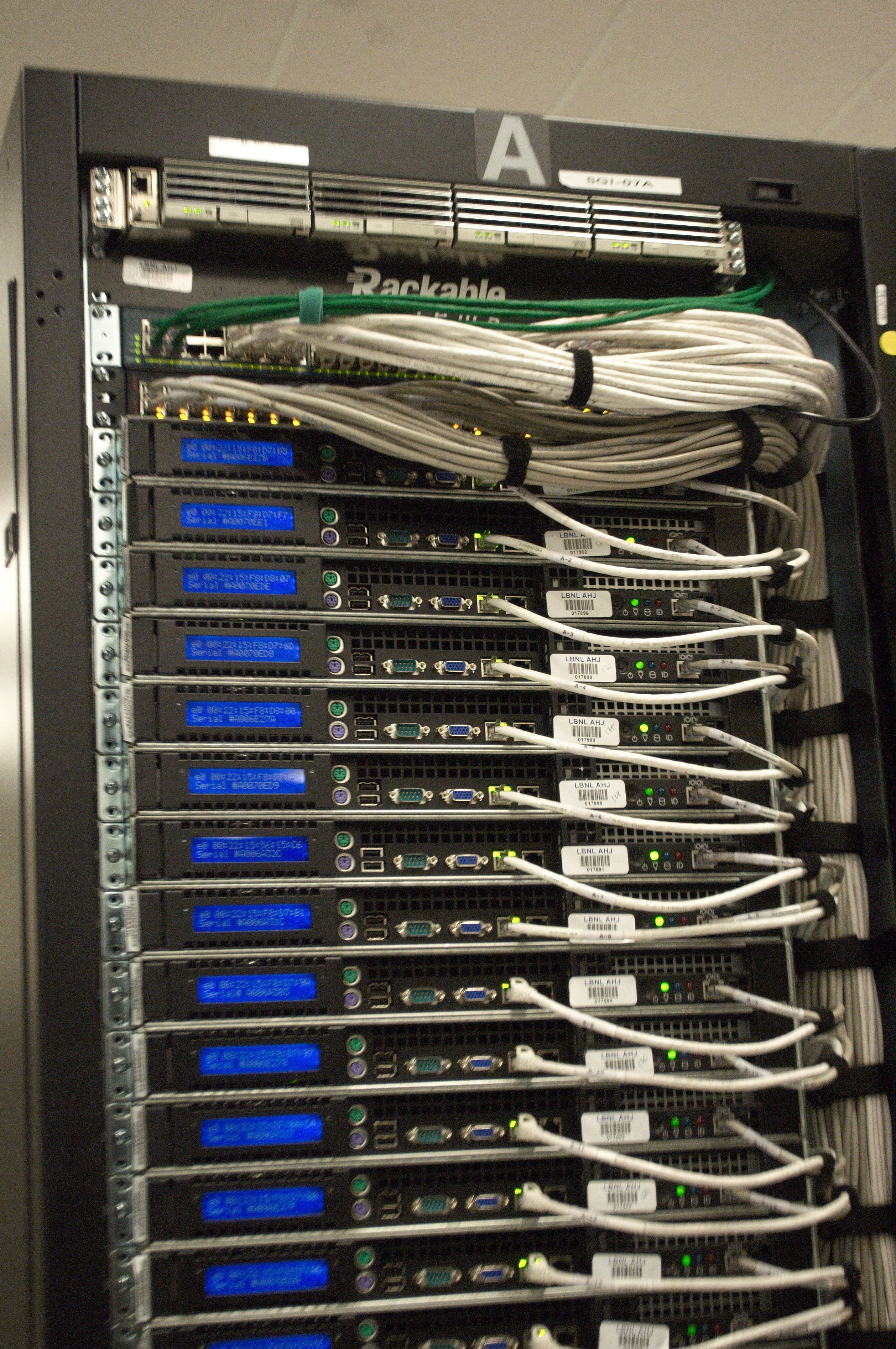
At its core, web hosting is a service that allows individuals and organizations to post a website or web page onto the internet. When you sign up for a web hosting service, you're essentially renting space on a physical server — a powerful computer that stores all the files, images, videos, and code that make up your website. This server is kept in a data center, connected to the internet 24/7, ensuring your site is always available to visitors.
Think of it this way: if your website were a house, web hosting would be the land it sits on. Just as you need land to build a house, you need web hosting to build and store your website files so they can be viewed by anyone, anywhere in the world, at any time.
How Does Web Hosting Work?
When someone types your website's address (like www.yourwebsite.com) into their web browser, their computer sends a request over the internet to the server where your website is hosted. The web hosting server then processes this request and sends all the necessary files back to the user's browser, which then assembles and displays your website on their screen. This entire process happens in a matter of seconds.
Web hosting providers are responsible for keeping these servers running, secure, and constantly connected to the internet. They also handle maintenance, security monitoring, and often provide technical support to help you manage your website and troubleshoot any issues.
Web Hosting vs. Domain Names: What's the Difference?
It's common for beginners to confuse web hosting with domain names, but they are distinct yet complementary services. As we've discussed, web hosting is the storage space for your website files. A domain name, on the other hand, is your website's unique address on the internet – like the street address for your house (e.g., pixelhost.com). It's how people find your site.
You need both a domain name and web hosting for a fully functional website. The domain name points to the server where your website is hosted. When someone types your domain name, it tells their browser exactly which server to connect to, and the hosting server then delivers your website content. Many hosting providers also offer domain registration services, allowing you to purchase both from the same place for convenience.
Types of Web Hosting: Finding the Right Fit
Just as there are different types of homes, there are various types of web hosting, each suited for different needs and budgets. Understanding the basic options can help you choose the best fit for your project:
- Shared Hosting: The most common and affordable option, where your website shares server resources (like CPU, RAM, and disk space) with many other websites. Ideal for small websites, personal blogs, or new businesses with low traffic.
- VPS (Virtual Private Server) Hosting: Offers a more dedicated environment than shared hosting. While you still share a physical server, a VPS creates a virtual partition, giving you dedicated resources and more control, suitable for growing websites.
- Dedicated Hosting: You get an entire physical server all to yourself. This provides maximum power, control, and security, but it's also the most expensive and requires technical expertise. Best for very large websites or applications with high traffic.
- Cloud Hosting: Utilizes a network of interconnected servers to host your website. If one server fails, another can take over, offering high reliability and scalability. Resources can be easily adjusted based on demand.
- WordPress Hosting: Often a specialized form of shared or VPS hosting optimized specifically for WordPress websites. It typically includes features like one-click WordPress installation, enhanced security, and performance optimizations for the platform.
Your choice will depend on your website's size, expected traffic, technical comfort level, and budget. Most beginners start with shared hosting and can upgrade as their website grows.
Why Do You Need Web Hosting?
The simple answer is that you need web hosting to make your website visible online. Without it, your website files would remain inaccessible to the public. Beyond basic visibility, web hosting offers several other key benefits:
It ensures your website is always available, provides the necessary storage for all your content, and often includes essential tools like email accounts linked to your domain (e.g., info@yourwebsite.com). A good hosting provider also contributes to your site's performance, security, and reliability, which are crucial for user experience and search engine optimization.
Choosing Your First Web Host
Selecting a web host might seem daunting with so many options available. When making your decision, consider factors like reliability (uptime guarantees), customer support (24/7 availability is a plus), features offered (storage, bandwidth, one-click installers), and pricing. While cost is a factor, don't always go for the absolute cheapest option; a slightly higher investment can often mean better performance and support.
Most hosting providers offer various plans, and many include introductory discounts. Read reviews, compare features, and don't hesitate to contact their support with any questions before committing. With the right web host, you'll be well on your way to establishing a successful online presence.
Sources & Further Reading
- Web hosting service — Wikipedia
- Domain name — Wikipedia
- Web server — MDN Web Docs
- How the Web works — MDN Web Docs