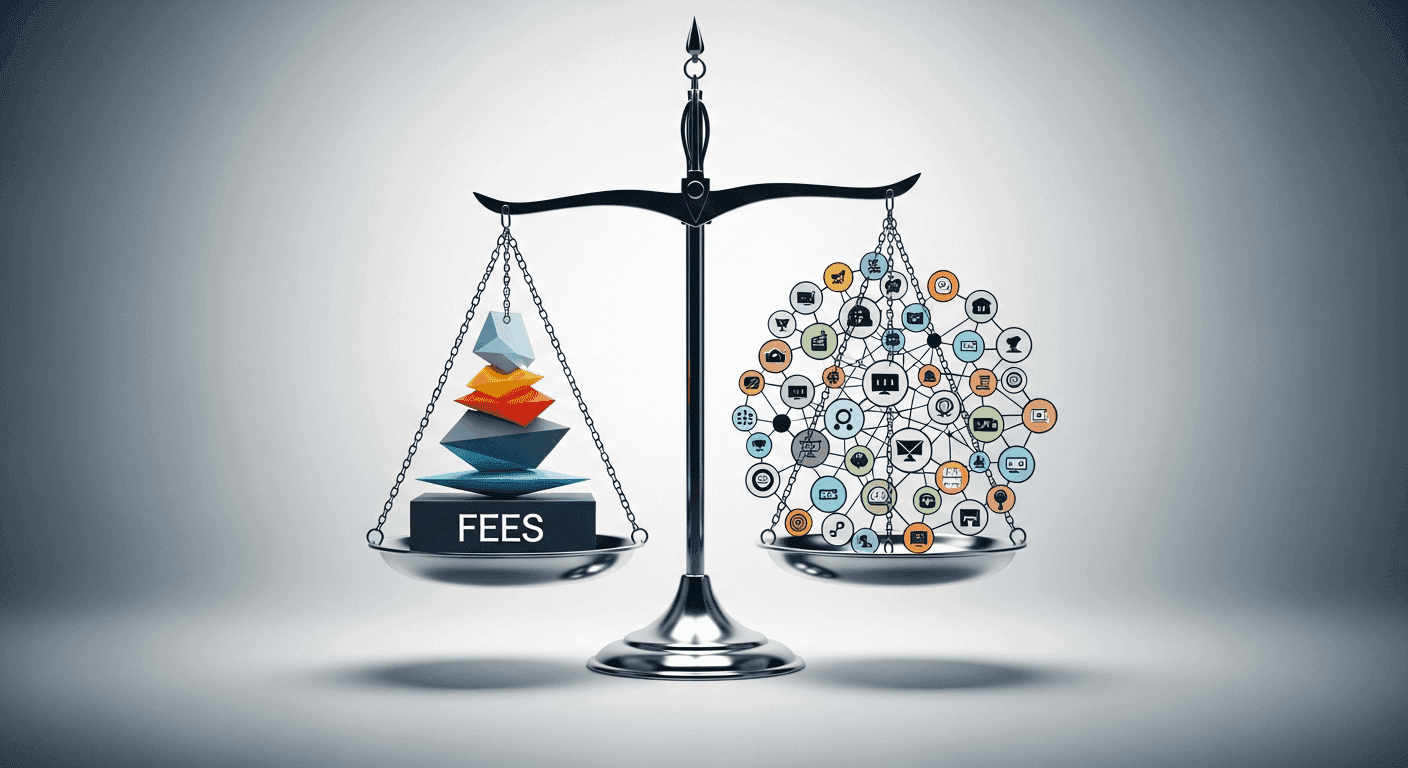
Starting an online store has never been more accessible, thanks to the rise of user-friendly website builders. These platforms allow anyone to create a professional-looking ecommerce site without needing to write a single line of code. However, beneath the promise of simplicity lies a complex landscape of pricing structures and feature sets that can make choosing the right platform a challenging task for new and experienced entrepreneurs alike.
Understanding the nuances of platform fees and feature tiers is crucial for making an informed decision that supports your business's current needs and future growth. It's not just about the monthly sticker price; various other costs and limitations can significantly impact your budget and operational capabilities. This guide will help you decipher these elements, ensuring you pick an ecommerce website builder that truly fits your goals.
The Basics of Ecommerce Website Builders
Ecommerce website builders are all-in-one solutions that provide the tools needed to create, manage, and host an online store. They typically include templates for design, shopping cart functionality, payment processing integration, and inventory management. The appeal lies in their ease of use, allowing small businesses and individuals to quickly launch their products or services online without extensive technical knowledge.
While they offer immense convenience, these platforms operate on a subscription model, often tiered to offer different levels of features and services. The key is to look beyond the headline price and understand what each tier actually includes, and more importantly, what it doesn't. Your choice directly influences your store's capabilities and your overall operating costs.
Understanding Platform Fees: Beyond the Monthly Price
When evaluating website builders for ecommerce, the monthly or annual subscription fee is just one piece of the puzzle. Many other potential costs can add up, impacting your profit margins. Being aware of these additional fees from the outset can prevent unwelcome surprises down the line.
- Subscription Fees: The recurring cost for using the platform, often varying based on the feature tier chosen.
- Transaction Fees: Charges applied by the platform for each sale made through your store, especially if you don't use their preferred payment gateway.
- Payment Gateway Fees: Costs levied by the payment processor (e.g., credit card companies, PayPal) for handling transactions, separate from platform transaction fees.
- App and Plugin Costs: Many platforms have app marketplaces where additional functionalities (e.g., advanced SEO, dropshipping tools) can be purchased or subscribed to.
- Theme and Template Costs: While free options exist, premium themes often come with a one-time or recurring cost for enhanced design and features.
- Domain Name Fees: The annual cost to register and maintain your custom domain name (e.g., yourstore.com).
These various charges illustrate why a seemingly affordable basic plan might become more expensive than an advanced plan once all the necessary add-ons and transaction costs are factored in. Always calculate the total estimated cost based on your projected sales volume and required functionalities.
Feature Tiers: What Do You Really Need?
Website builders typically segment their offerings into different tiers, often labeled Basic, Standard, Advanced, or Enterprise. Each tier unlocks a progressively richer set of features. The trick is to identify which features are essential for your business and which are 'nice-to-haves' that you might not need immediately.
Common features that differentiate tiers include the number of products you can list, storage space, staff accounts, advanced reporting and analytics, international selling capabilities, shipping discounts, abandoned cart recovery, gift cards, and priority customer support. A basic plan might be perfect for a small startup with a limited product range, while a growing business would likely benefit from features found in higher tiers that streamline operations and enhance the customer experience.
Transaction Fees and Payment Gateways
Transaction fees warrant special attention. Many website builders offer their own integrated payment solutions, often incentivizing their use by waiving or reducing their own transaction fees. If you opt for a third-party payment gateway, the platform might impose an additional percentage fee on top of what the payment gateway itself charges. This can significantly eat into your revenue, especially as your sales grow.
Carefully compare the total transaction costs across different platforms and payment gateways. Consider the overall value of using a platform's proprietary payment system versus the flexibility or specific features offered by an external provider. Sometimes, a slightly higher subscription fee on a platform that waives transaction fees can be more cost-effective than a cheaper subscription with recurring per-transaction charges.
Scalability and Future Growth
Choosing a website builder isn't just about your present needs; it's also about anticipating future growth. A platform that serves you well as a small startup might become restrictive or overly expensive as your business expands. Consider how easily you can upgrade to a higher tier, what new features become available, and how the costs scale with increased sales volume and product listings.
Look for platforms that offer clear upgrade paths and robust features in their higher tiers, such as advanced marketing automation, international selling tools, and enterprise-level support. A platform that can grow with your business will save you the significant hassle and expense of migrating your entire store to a new provider down the line.
Making an Informed Decision
Selecting the right ecommerce website builder requires a thorough comparison of both platform fees and feature tiers. Start by listing your absolute must-have features, then project your likely sales volume to estimate transaction-related costs. Don't be swayed by the lowest monthly price without understanding the complete cost structure and the limitations of the basic offerings.
Take advantage of free trials offered by most platforms to test out the interface, features, and support. By carefully evaluating your needs against what each platform offers, you can choose an ecommerce solution that not only fits your budget but also empowers your online business for sustained success.
Sources & Further Reading
- Website builder — Wikipedia
- Fast loading times — web.dev
- OWASP Top Ten — OWASP
- Web performance — MDN Web Docs