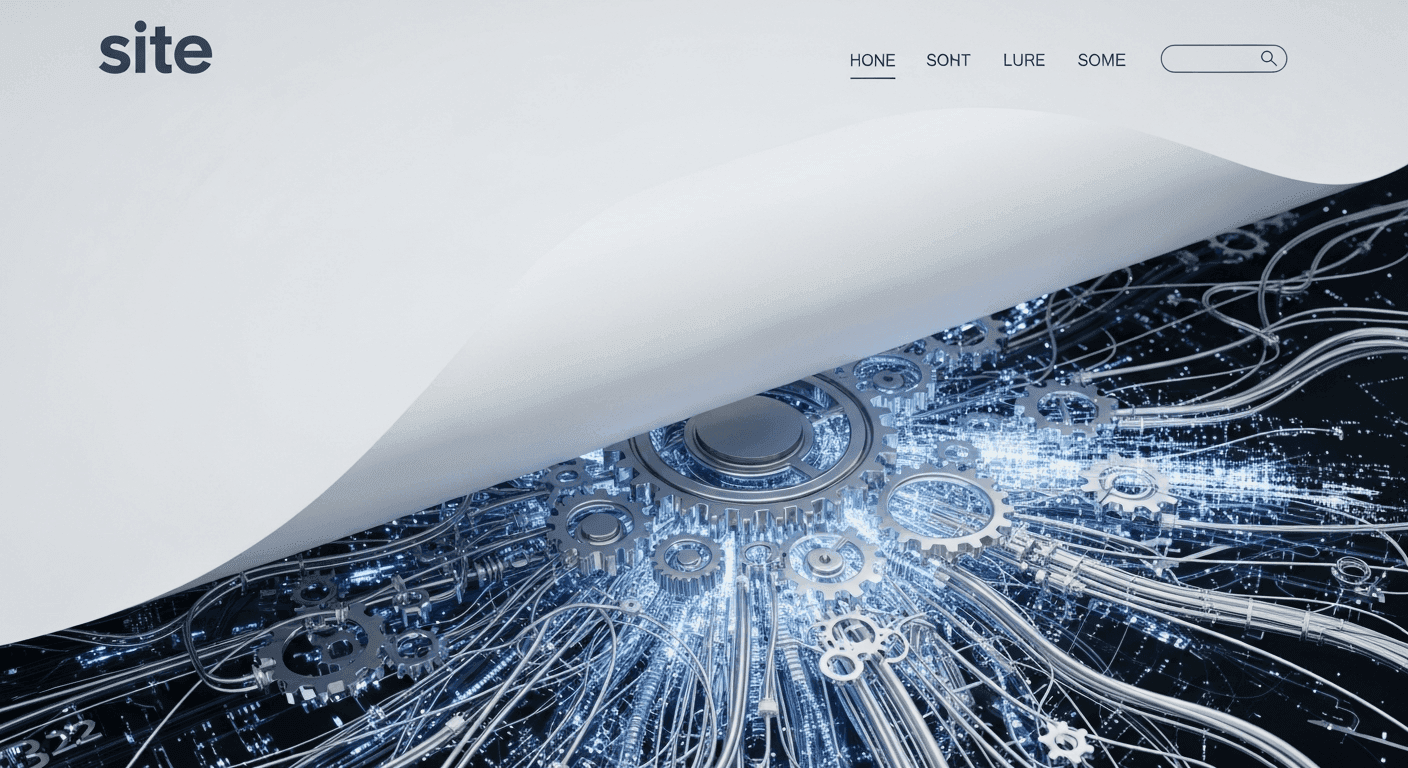
When you decide to create a website, the initial choice between a website builder and WordPress often boils down to perceived ease of use versus flexibility. Website builders promise quick setup and drag-and-drop simplicity, while WordPress is known for its powerful customization options and vast ecosystem. Both approaches can certainly get you online, but the journey doesn't end once your site is live. There's a significant amount of ongoing work – a 'hidden labor' – involved in keeping any website running smoothly, securely, and effectively.
Understanding this ongoing commitment is crucial before you even choose your platform. It's not just about the initial build; it's about the hours spent on maintenance, updates, security, and content management over the lifespan of your site. This article will explore the often-unseen workload associated with both website builders and WordPress, helping you make an informed decision based on your willingness and capacity to invest time and effort into your online presence.
The Allure of Simplicity: Website Builders
Website builders like Wix, Squarespace, or Shopify are designed for rapid deployment. They package everything you need into one subscription: hosting, a visual editor, templates, and often basic e-commerce functionality. The promise is a website without coding, where you can drag elements into place, upload your content, and publish. This 'all-in-one' convenience is incredibly appealing, especially for individuals and small businesses with limited technical skills or time.
The initial setup truly is straightforward. You select a template, customize it with your brand colors and images, and fill in your text. The platform handles the underlying technical infrastructure, security patches, and server maintenance. This means you don't have to worry about finding a separate hosting provider, installing software, or managing server configurations. For many, this hands-off approach to the technical backend is a major selling point, freeing them to focus purely on content and design within the builder's confines.
The Powerhouse Approach: WordPress
WordPress, by contrast, is an open-source content management system (CMS) that powers a vast percentage of the internet. It offers unparalleled flexibility and scalability. With WordPress, you have complete control over almost every aspect of your website, from its appearance and functionality to its hosting environment. This freedom comes from its modular nature, allowing you to choose from thousands of themes (for design) and plugins (for added features like SEO, contact forms, or e-commerce).
However, this extensive control and customization potential means you're also responsible for more pieces of the puzzle. You'll need to choose a hosting provider separately, install WordPress, select and configure themes and plugins, and manage your database. While there's a steeper learning curve initially, the long-term benefits of owning your digital space and having the ability to expand and adapt your site without platform limitations are significant for many users.
Beyond Setup: The Ongoing Maintenance Loop
Once your website is live, whether built with a drag-and-drop tool or WordPress, the work isn't done. Websites are living entities that require regular attention to remain functional, secure, and relevant. This ongoing effort is the 'hidden labor' that many users underestimate during their initial decision-making process. Neglecting these tasks can lead to security vulnerabilities, broken features, slow performance, or outdated content, all of which can harm your online presence.
The nature of this labor differs between platforms, but the fundamental need for it remains. Here are some common maintenance tasks that every website owner eventually faces:
- Regular software and plugin/app updates
- Security monitoring and vulnerability patching
- Creating and maintaining website backups
- Optimizing site performance and speed
- Publishing and updating website content
- Checking for broken links or errors
Website Builders: Convenience with Constraints
With a website builder, much of the technical hidden labor is handled behind the scenes by the platform provider. They manage server maintenance, core software updates, and general security of their infrastructure. This means you spend less time on backend technicalities and more on front-end content and design.
However, hidden labor still exists. You're responsible for keeping your content fresh, optimizing images for speed (where allowed), and understanding the limitations of your chosen platform. If a feature you need isn't offered, you might be out of luck or forced into workarounds. Moving your site to a different platform later can also be a significant undertaking, as builders often use proprietary systems that don't allow for easy content export to other hosts. This 'vendor lock-in' can be a form of hidden labor if you ever outgrow your builder's capabilities.
WordPress: Freedom with Responsibility
WordPress offers unparalleled freedom, but with that freedom comes a greater share of the hidden labor. You are largely responsible for your own website's well-being. This includes regularly updating the WordPress core software, all your themes, and all your plugins. While these updates often improve security and add features, they can sometimes cause conflicts or break existing functionality, requiring troubleshooting.
Security is another major area of responsibility. While WordPress itself is secure, the vast ecosystem of plugins and themes can introduce vulnerabilities if not chosen carefully or kept updated. You'll need to implement security measures, monitor for threats, and have a plan for recovery if your site is compromised. Backups are critical, and you'll need to manage these yourself, either manually or through a plugin. Managing WordPress truly means being the captain of your ship, making all decisions and performing or delegating all necessary tasks.
Making the Choice: Your Time is Your Investment
Ultimately, the best choice between a website builder and WordPress depends on your personal circumstances, comfort level with technology, and the amount of time you're willing to invest in ongoing site management. If you value simplicity above all else and have minimal technical inclination, a website builder might be a better fit, even with its inherent limitations and potential for vendor lock-in.
If you crave complete control, foresee future expansion, and are comfortable dedicating time to learn and manage the technical aspects of your site (or hiring someone who can), WordPress offers unmatched power and flexibility. Both platforms require your attention, but they demand it in different ways. By understanding the 'hidden labor' involved, you can choose the path that aligns best with your resources and long-term vision for your online presence.
Sources & Further Reading
- Updating WordPress — WordPress.org
- Content management system — Wikipedia
- Website builder — Wikipedia
- Why is speed important? — web.dev
- SEO Starter Guide — Google Search Central