Starting a website can feel like a daunting task, especially with so many tools and platforms available. For many, the first big decision comes down to two main approaches: using a website builder or diving into WordPress. Both offer powerful ways to get online, but they cater to different needs and priorities. Understanding their core differences is key to choosing the right path for your specific project.
This article will break down what each option entails, exploring their strengths and weaknesses in terms of ease of use, customization, cost, and long-term potential. Whether you're looking to launch a simple site quickly or build a complex platform that can evolve over many years, we'll help you navigate this fundamental choice without getting lost in technical jargon.
Website Builders: The Quick Path to an Online Presence
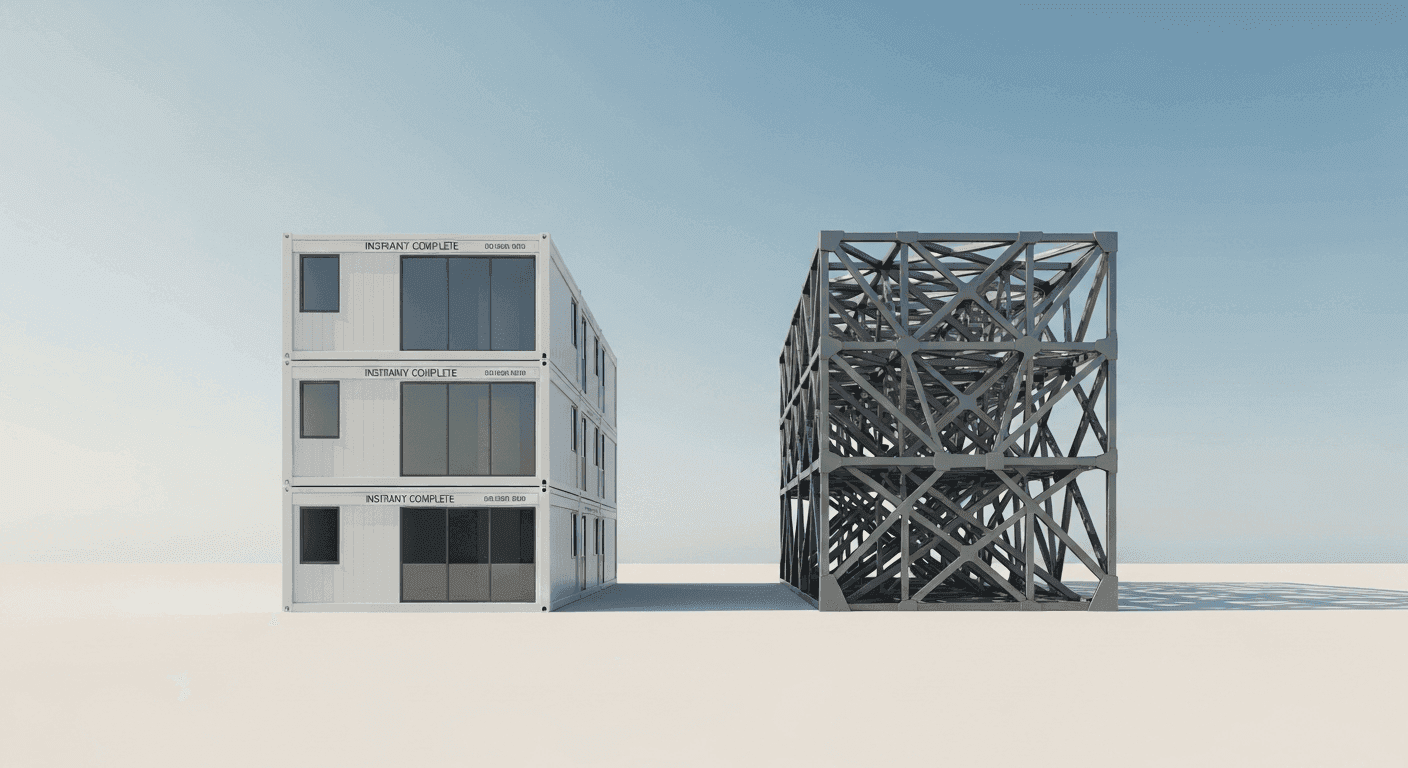
Website builders are designed for speed and simplicity. They offer an all-in-one solution where you can design, build, and host your website using intuitive drag-and-drop interfaces. Think of them as pre-fabricated homes for your online content – you choose a template, customize it with your text and images, and publish. There's usually no need to worry about server settings, coding, or security updates, as the provider handles all the underlying technical work.
This approach is ideal for individuals or small businesses who need to establish an online presence quickly and without a steep learning curve. If your primary goal is to share information, showcase a portfolio, or set up a basic online store with minimal fuss, a website builder can get you up and running in a matter of hours or days.
WordPress: The Flexible Foundation for Growth
WordPress, on the other hand, is a content management system (CMS). It's an open-source platform that powers a significant portion of the internet. While it requires a bit more hands-on involvement with hosting and setup, it offers unparalleled flexibility and control. With WordPress, you have access to a vast ecosystem of themes (designs) and plugins (add-on features) that can transform your site into almost anything imaginable, from a simple blog to a sophisticated e-commerce platform, social network, or membership site.
Choosing WordPress is like building a custom home. You have complete control over the blueprints, materials, and future additions. This freedom comes with a slightly higher learning curve and more responsibility for maintenance, but it also means your website can grow and adapt with your needs for years to come without hitting arbitrary limitations.
Ease of Use and Learning Curve
When it comes to getting started, website builders generally have a much flatter learning curve. Their visual editors and guided setup processes mean you can often create a professional-looking site without any prior experience in web design or development. The focus is on user-friendliness, making it accessible to almost anyone.
WordPress, while not inherently difficult, does require a bit more effort to learn. You'll need to understand concepts like themes, plugins, and the dashboard interface. Initial setup often involves choosing a hosting provider, installing WordPress, and then selecting and customizing a theme. However, once you get past the initial learning phase, managing and updating your WordPress site becomes quite intuitive, especially with the block editor.
Customization and Scalability
Here's where the two platforms diverge significantly. Website builders offer excellent customization within their predefined frameworks. You can change colors, fonts, layouts, and add sections, but you're largely confined to the tools and options the builder provides. If you need a very specific feature or design element not offered, you might be out of luck. This limits scalability if your business grows beyond the builder's capabilities.
WordPress, being open-source, offers virtually limitless customization. If you can imagine it, you can usually build it with WordPress. This is achieved through thousands of themes that dictate your site's appearance and an even larger number of plugins that add functionality. From SEO tools to contact forms, e-commerce stores, and complex membership systems, WordPress can be tailored to almost any requirement. This makes it highly scalable, allowing your website to evolve alongside your business without needing to migrate to a new platform.
Cost Considerations Over Time
The pricing models for website builders are typically straightforward, often involving a monthly or annual subscription fee that includes hosting, templates, and basic features. These plans can seem very appealing initially due to their simplicity and bundled services. However, as you require more advanced features or higher storage, the costs can increase, and you might find yourself locked into a specific provider's ecosystem.
With WordPress, the cost structure is a bit more distributed. The core WordPress software is free, but you'll need to pay for web hosting and a domain name. Additionally, while many themes and plugins are free, premium (paid) versions often offer more features, better support, and enhanced security. For truly unique designs or complex functionality, you might invest in custom development. While the upfront costs might appear lower, the total investment can vary greatly depending on your needs for premium tools, security, and ongoing maintenance, often leading to a potentially higher but more flexible total cost over the long term.
Making Your Choice: When to Use Which
The decision ultimately depends on your specific goals, technical comfort, and long-term vision. Consider the following points:
- **Choose a Website Builder if:** You need a website launched quickly with minimal effort. You have a limited budget and straightforward needs. You prefer an all-in-one solution with managed hosting and support. You don't anticipate needing highly specialized features or extensive customization.
- **Choose WordPress if:** You require maximum flexibility and control over every aspect of your site. You plan for significant growth or future expansion of features. You are comfortable with a slightly steeper learning curve for greater power. You want a platform that can scale indefinitely with your evolving business.
In conclusion, neither option is inherently superior; they simply serve different purposes. A website builder is excellent for rapid deployment and ease of use, perfect for getting your initial online footprint established. WordPress offers a robust, adaptable foundation for long-term growth and complex projects, providing the tools to build virtually anything you can imagine. By evaluating your immediate needs versus your future aspirations, you can confidently select the platform that best aligns with your journey online.
Sources & Further Reading
- About WordPress — WordPress.org
- Content management system — Wikipedia
- Website builder — Wikipedia
- SEO Starter Guide — Google Search Central
- Core Web Vitals — web.dev