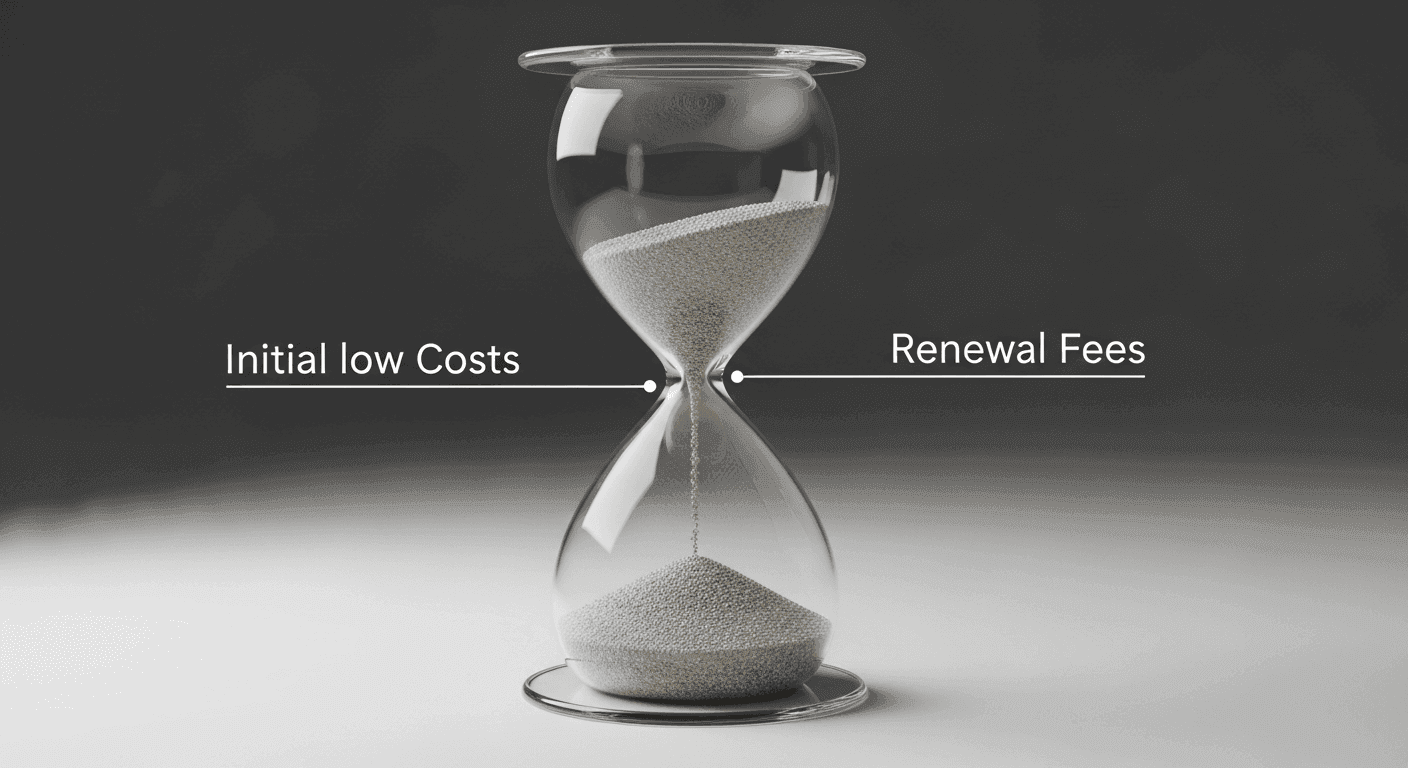
Choosing a web host is a foundational step for anyone building a website, whether for a personal blog, a small business, or an online portfolio. Many providers entice new customers with incredibly low introductory prices, making the initial decision seem straightforward and budget-friendly. However, what often goes unnoticed until it's too late is the significant jump in price when it comes time to renew your hosting plan. This practice, while common, can lead to unexpected costs and frustration for site owners.
Understanding how web hosting companies structure their pricing, especially regarding renewals, is crucial for long-term financial planning and avoiding unwelcome surprises. This article will guide you through the process of vetting hosting providers specifically for transparent renewal pricing, ensuring you can make an informed decision that supports your website's future without hidden financial burdens.
Understanding the Initial Lure of Low Prices
Web hosting is a competitive market, and providers often use aggressive promotional pricing to attract new customers. These introductory offers can be incredibly appealing, sometimes advertising services for a fraction of what they might typically cost. This strategy is similar to how many subscription services operate, offering a steep discount for the first term to get you onboard. For many new website owners, these low initial prices are a major factor in their decision-making process.
While there's nothing inherently wrong with introductory pricing, the key is to understand that these rates are almost always temporary. The business model relies on acquiring customers at a lower initial cost, hoping they will remain loyal and continue service at the higher standard rates once the promotional period ends. The challenge for consumers lies in clearly identifying what those standard rates will be before committing.
The Renewal Price Shock: What to Look For
The 'renewal price shock' occurs when a customer's hosting plan comes up for renewal, and they discover the cost has dramatically increased, sometimes by several hundred percent. This can put website owners in a difficult position, forcing them to either pay the much higher fee or go through the often complex and time-consuming process of migrating their website to a new provider. To avoid this, proactive investigation is essential.
The most reliable place to find information about renewal pricing is within the provider's Terms of Service (ToS) or a dedicated pricing page. These documents should clearly outline the difference between introductory and renewal rates. Be wary of providers who make this information difficult to find or present it vaguely. Transparency is a strong indicator of a trustworthy host.
- Look for separate sections detailing 'Introductory Rates' and 'Renewal Rates'.
- Confirm the duration of the promotional period (e.g., 12 months, 24 months).
- Identify any additional services that might be bundled for free initially but incur charges upon renewal (e.g., domain registration, SSL certificates, backup services).
- Check for clear statements regarding price adjustments or potential increases over time.
- Read user reviews and forums for mentions of unexpected renewal costs or pricing complaints.
Strategies for Finding Transparent Pricing
Beyond simply checking the terms, there are specific strategies you can employ to ensure you're choosing a provider with transparent pricing practices. One effective method is to compare the initial price against the stated renewal price for the exact same plan. Some providers might have a smaller difference between these two figures, making their long-term costs more predictable and manageable.
Don't hesitate to contact customer support directly with specific questions about renewal pricing for the plan you're considering. A reputable host will be able to provide clear, concise answers without hesitation. Document these conversations if possible, as they can serve as a reference. Also, consider the total cost over several years, not just the first term. A slightly higher initial price with a stable renewal rate might be more cost-effective in the long run than a very low introductory offer followed by a steep increase.
Beyond the Price Tag: Other Factors to Consider
While transparent renewal pricing is crucial, it shouldn't be the only factor in your decision. A cheap host that offers poor performance, unreliable service, or inadequate customer support can end up costing you more in terms of lost website traffic, downtime, and personal frustration. Consider the features included in the plan, such as storage, bandwidth, email accounts, and security options. Ensure they meet your current and anticipated needs.
Customer support quality is another vital element. When issues arise, you'll want responsive and knowledgeable assistance. Look for providers that offer multiple support channels (live chat, phone, email) and have a strong reputation for helpfulness. Scalability is also important; can the host accommodate your website's growth without forcing you into an entirely new, expensive plan? A balanced approach that weighs both pricing transparency and overall service quality will lead to the best long-term hosting solution.
Empowering Your Hosting Choices
Navigating the landscape of web hosting pricing can feel daunting, but by adopting a proactive and informed approach, you can protect yourself from unexpected costs. Transparent renewal pricing is a hallmark of an honest and customer-focused provider. It allows you to budget effectively and avoid the stress of sudden price hikes or the hassle of frequent migrations.
Empower yourself by doing your due diligence. Read the fine print, ask direct questions, and compare the long-term value, not just the initial sticker price. By prioritizing transparency in renewal pricing, you'll lay a solid, predictable foundation for your website's online presence, ensuring a smoother and more financially sustainable journey.
Sources & Further Reading
- Web hosting — Wikipedia
- Terms of service — Wikipedia
- Core Web Vitals — web.dev
- Hosting Requirements — WordPress.org