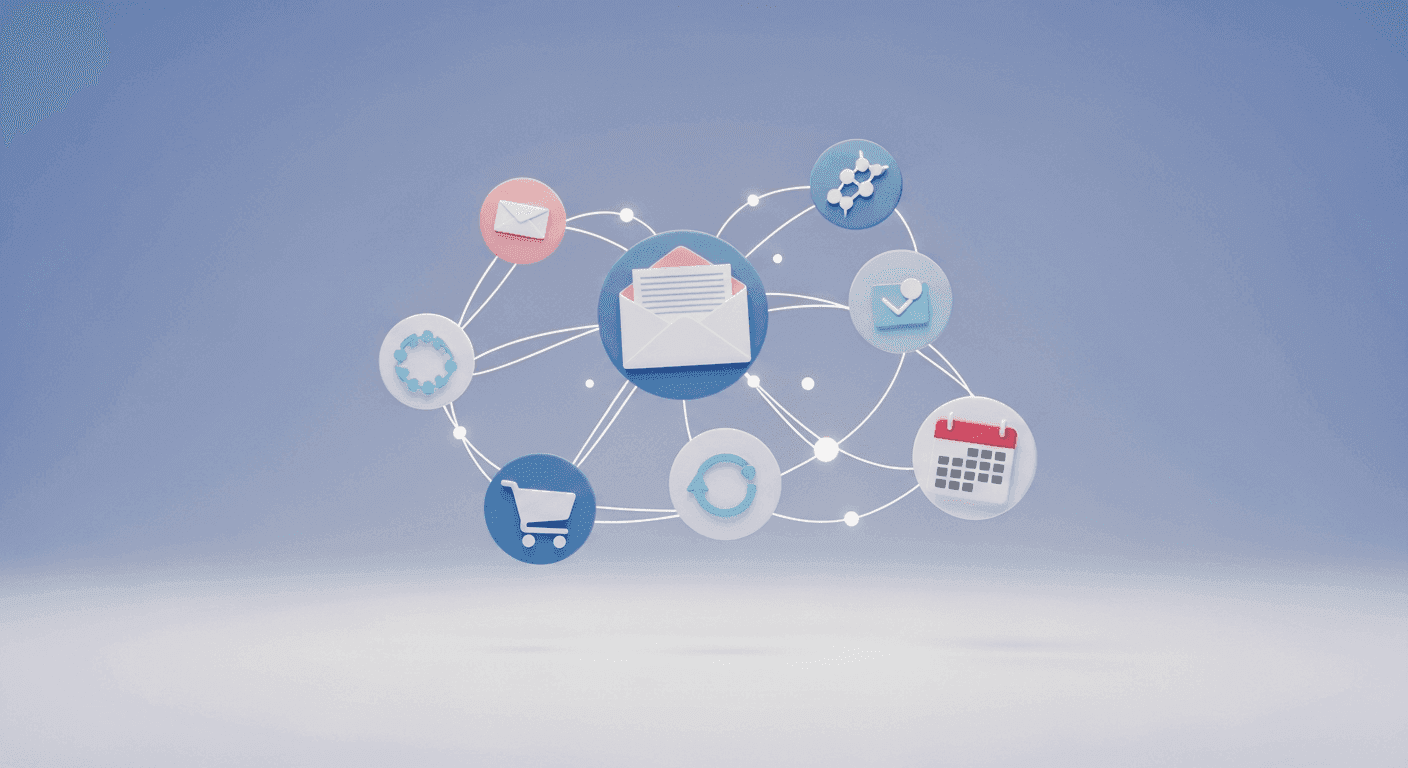
In the world of website creation, no-code platforms have revolutionized how individuals and small businesses bring their online visions to life. Gone are the days when building a professional-looking website required deep technical knowledge or extensive coding skills. With intuitive drag-and-drop interfaces and pre-designed templates, anyone can launch a functional and attractive site in a matter of hours or days.
However, the true power of no-code platforms extends far beyond their initial ease of use. While they provide a strong foundation, many users eventually discover a need for specialized features that go beyond the basic offerings. This is where seamless integrations come into play, allowing you to connect your website with a vast array of external services and tools, enhancing its capabilities without ever writing a line of code.
The Power of No-Code Platforms Beyond the Basics
No-code website builders empower creators by abstracting away the complexities of web development. They offer user-friendly environments where you can design layouts, add content, and manage basic site functions with remarkable simplicity. From creating engaging landing pages to setting up an online portfolio or a simple blog, these platforms handle the technical heavy lifting, allowing you to focus on your content and audience.
Yet, as your website grows and your needs evolve, you might find yourself wanting more. Perhaps you need a sophisticated booking system, advanced customer relationship management, or a way to deeply analyze visitor behavior. While your no-code builder provides the canvas, integrations are the specialized brushes and paints that let you add intricate details and powerful functionalities, transforming a good website into an exceptional one.
What Are Integrations and Why Do They Matter?
Simply put, an integration is a connection between two different software applications, allowing them to communicate and share information with each other. For your no-code website, this means linking your site builder to a separate service that specializes in a particular function, such as email marketing, payment processing, or customer support. Instead of trying to build every feature from scratch, you leverage existing, robust solutions.
Integrations are crucial because they save you immense amounts of time and effort. Building custom features can be costly and time-consuming, even for experienced developers. By integrating, you tap into tools that are already developed, tested, and maintained by experts in their respective fields. This not only expands your site's capabilities but also streamlines your workflows, making your website a more efficient and powerful hub for your online activities.
Common Types of No-Code Integrations
The variety of services you can integrate with your no-code site is extensive, catering to almost any business or personal need. These connections are designed to enhance specific aspects of your website's functionality and user experience, making your site more dynamic and responsive to visitor interactions. Here are some of the most popular and beneficial types of integrations:
- Payment Gateways: Allow you to securely accept online payments for products, services, or donations directly on your website.
- Email Marketing Tools: Connect your site's forms to send new subscribers directly to your email lists, automating your outreach.
- Customer Relationship Management (CRM): Organize and manage customer interactions, leads, and sales data from your website.
- Analytics and Tracking: Gain insights into website traffic, user behavior, and conversion rates to make informed decisions.
- Scheduling and Booking Systems: Enable visitors to book appointments, classes, or reservations directly through your site.
- Social Media Feeds: Display your latest social media posts or enable easy sharing of your content across platforms.
Each of these integrations adds a layer of professionalism and utility, turning a static website into a vibrant, interactive platform that can handle complex operations with ease.
How Integrations Work the No-Code Way
The beauty of no-code integrations lies in their simplicity. You won't need to delve into complex programming languages or understand intricate server configurations. Most no-code platforms provide built-in connectors or app marketplaces that guide you through the process. Often, it's as simple as selecting the service you want to integrate, providing a few details (like an account ID or a special key provided by the service), and then following a few clicks.
Some integrations might involve copying and pasting a small piece of 'embed code' or a 'widget' into a designated area of your site builder. This code isn't something you need to understand or modify; it's simply a snippet provided by the external service that tells your website how to display its functionality. The no-code platform then handles the rest, ensuring the integrated feature works seamlessly within your existing design and structure.
Choosing the Right Integrations for Your Site
With so many options available, deciding which integrations to use can feel overwhelming. Start by clearly defining your website's goals and what you want it to achieve. Are you selling products? Do you need to capture leads? Is appointment booking crucial for your service? Answering these questions will help you prioritize the most impactful additions.
Next, explore the integration options offered by your specific no-code website builder. Most platforms highlight their compatible services. Look for integrations that are well-documented and widely used, as these often come with better support and reliability. Remember, the goal is to enhance your site, not complicate it, so choose tools that genuinely add value and are straightforward to set up and manage.
Future-Proofing Your No-Code Site
Embracing integrations means your no-code website isn't a static entity; it's a dynamic and adaptable platform. As new technologies emerge or your business needs change, you can often swap out or add new integrations without rebuilding your entire site. This flexibility allows your website to grow and evolve alongside your aspirations, ensuring it remains relevant and effective for years to come.
By thoughtfully leveraging seamless integrations, you transform your no-code website from a simple online presence into a powerful, multi-functional digital asset. You gain access to a world of advanced capabilities, all without the need for complex coding, making sophisticated web functionality accessible to everyone.
Sources & Further Reading
- Application programming interface — Wikipedia
- No-code development platform — Wikipedia
- The Embed element — MDN Web Docs
- API Security Top 10 — OWASP
- Web APIs — MDN Web Docs